10 Essential Things For The Modern Percussionist
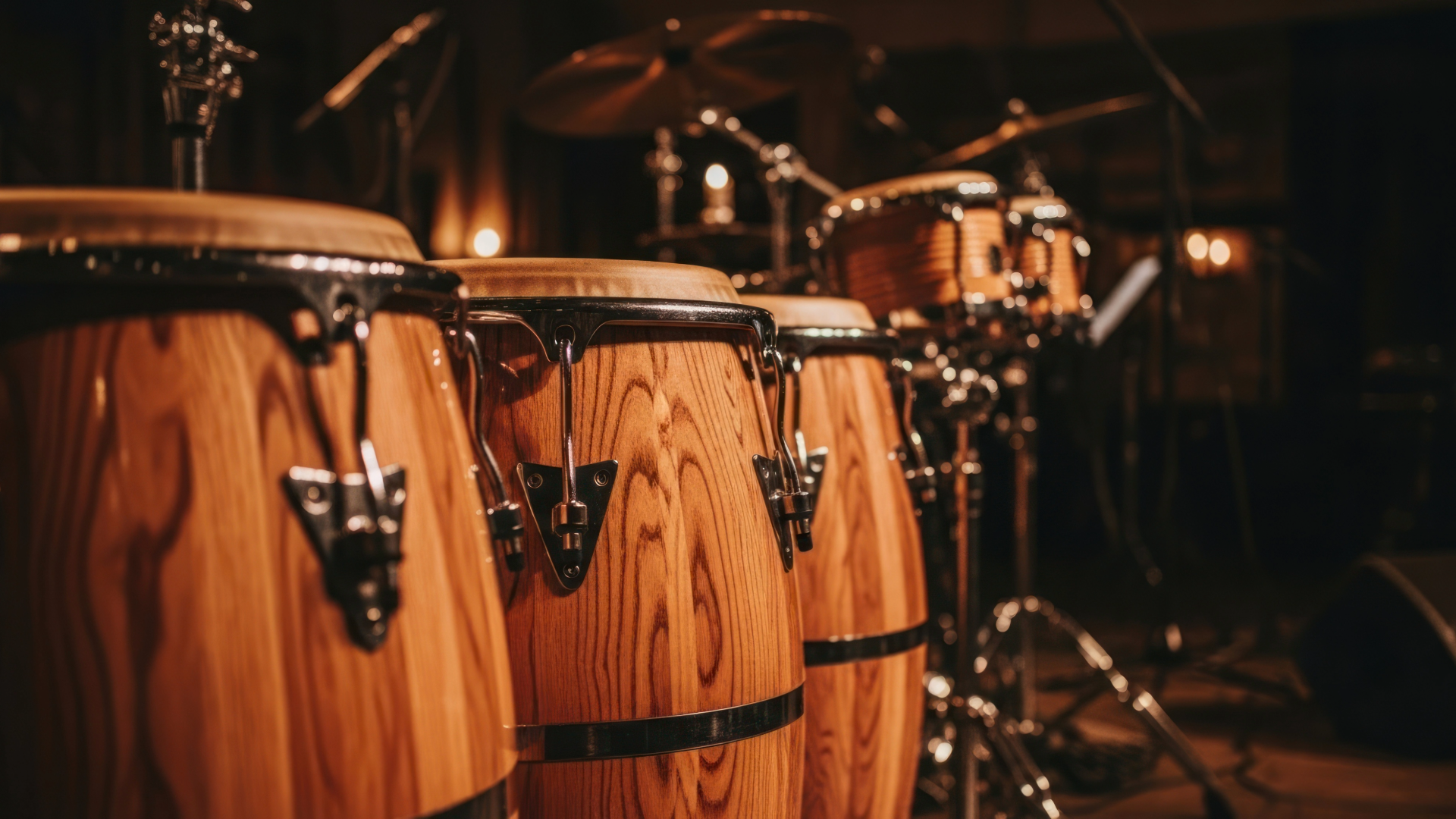
As the world of music continues to evolve, the role of the percussionist has become increasingly multifaceted. Gone are the days when a drummer was simply expected to keep a steady beat, today's percussionists are called upon to be versatile musicians, capable of navigating a wide array of genres and techniques. If you're aspiring to be a well-rounded, modern percussionist, here are 10 essential things you'll want to have in your arsenal:
A Diverse Instrument Collection
From the standard drum kit to mallet instruments like marimba, vibraphone, and xylophone, hand drums such as cajons, congas, djembes, and frame drums, as well as more exotic percussion like steel pans, and hang drum, a versatile percussionist needs to be comfortable on a wide variety of instruments. Mastering the unique techniques and tonal qualities of each instrument allows for greater musical expression and the ability to authentically perform across diverse genres.
I personally feel like you don’t have to learn absolutely every percussion instrument out there, but having a good spread of instruments that interest you is a must.
Solid Technique
Whatever instrument you are learning or playing, every drum will have a different playing technique. This difference can be sometimes slight and sometimes great. Having a strong technical foundation is crucial for any percussionist. Consistent practice and the ability to execute techniques with precision, speed will make you a skilled performer that stands out.
Adaptability
The ability to seamlessly transition between styles, from jazz to rock to world music and beyond is a must-have skill for the modern percussionist. Understanding the nuances of different genres, their associated rhythmic feels, and the appropriate techniques and instruments to employ allows for versatile and authentic performances in a wide range of musical contexts.
Sight-Reading Prowess
Being able to quickly interpret complex rhythmic notation, including advanced time signatures, polyrhythms, and intricate rhythmic patterns, is an invaluable asset for a percussionist. Developing this skill enables the musician to confidently tackle demanding percussion parts, adapt to the needs of various ensembles, and perform with greater precision.
Groove and Feel
Developing a keen sense of timing, pocket, and musical expression is essential for creating compelling, groove-oriented performances. This involves having a deep understanding of rhythmic concepts, the ability to internalise and embody various feels, and the sensitivity to play with dynamic contrast and phrasing that brings the music to life.
Composition and Arranging Skills
The ability to write original percussion parts or arrange existing music for any ensemble showcases a percussionist's creative versatility. Developing proficiency in composition and arranging allows for the exploration of new musical ideas, the creation of unique sonic landscapes, and the opportunity to contribute to the growth and evolution of the percussion art form.
Technology Fluency
Embracing modern music technology is key for the contemporary percussionist. Mastering these tools not only expands the sonic palette but also enables the creation of innovative, genre-blending performances that resonate with modern audiences. There is now a massive world of electronic drums and percussion controllers to sampling, looping, and other music production techniques available for the taking.
Collaborative Spirit
Strong communication and teamwork skills are essential for percussionists, who often find themselves performing in ensemble settings. The ability to listen, respond, and seamlessly integrate one's part within the larger musical context allows for cohesive and dynamic group performances.
Stage Presence
Confident, engaging, and visually captivating performances can elevate a percussionist's artistry and connect with audiences on a deeper level. Developing a commanding stage presence, which may include choreographed movements, creative instrument interactions, and a heightened sense of showmanship, can transform a skilled musician into a truly memorable performer.
Continuous Learning
The world of percussion is ever-evolving, with new techniques, instruments, and musical styles constantly emerging. A lifelong commitment to growth, exploration, and the acquisition of new skills is crucial for the modern percussionist to stay relevant, innovative, and at the forefront of their craft.
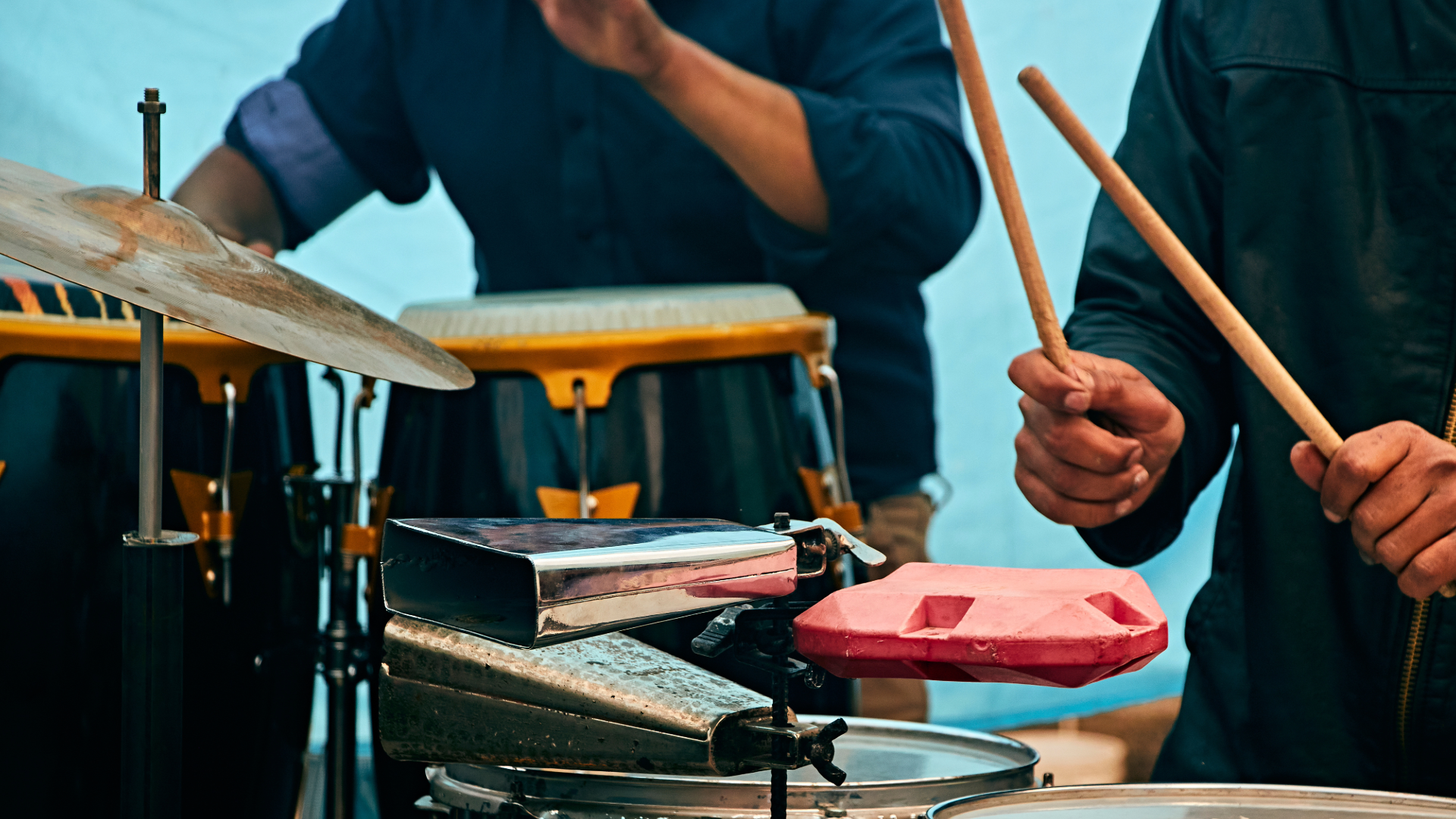
Embodying these 10 essential elements will help propel any percussionist towards a successful and rewarding career in the dynamic, ever-changing landscape of modern music.